
Exploring San Diego's New Construction Homes: A 2026 Buyer's Guide
San Diego new construction homes continue to draw strong interest heading into 2026, especially in communities like Mission Valley, Carmel Valley, and Eastlake. According to Redfin, new-build listings account for roughly 8% to 12% of actively marketed homes across the city as of early 2026. That share highlights both expanding construction pipelines and the continued scarcity of move-in-ready options. Understanding locations, pricing structures, amenities, and builder practices helps buyers decide when brand‑new homes outperform renovated resale properties across San Diego County.
Where Are San Diego New Construction Homes Concentrated in 2026?
New communities cluster in specific corridors, particularly around Mission Valley, Carmel Valley, and Otay Ranch. According to Redfin, areas such as Civita in Mission Valley and Pacific Highlands Ranch near Del Mar Heights Road account for a meaningful share of recent closings. Transit‑oriented projects line Friars Road and Mission Center Road, while master‑planned neighborhoods expand near State Route 56. These patterns favor buyers who prioritize freeway access to Interstate 5, Interstate 15, and State Route 52 for regional commuting.
Closer to the coast, infill townhome and condo projects appear along Morena Boulevard in Bay Park and near Garnet Avenue in Pacific Beach. According to Zillow, many attached units in these coastal pockets trade between $800,000 and $1,200,000, reflecting premium land values and limited supply. Smaller projects near La Jolla Village Drive and around the UTC transit center often emphasize walkability to Westfield UTC, UC San Diego, and trolley lines, rather than expansive private yards.
Farther south, significant construction continues in Otay Mesa and Eastlake along Olympic Parkway, where larger tracts allow more spacious single‑family plans. Based on data from Redfin sales records through late 2025, many detached homes in these communities close between $700,000 and $950,000, often with three to five bedrooms and modern energy‑efficient systems. Proximity to State Route 125 and employment centers in Chula Vista supports growing demand in these neighborhoods.
Late afternoons at Civita Park in Mission Valley illustrate how new construction reshapes daily rhythms. The wide lawns glow a soft green against rows of modern townhomes, while the sound of children playing near the splash pad blends with distant traffic from Friars Road. Food trucks parked along Via Alta send out the smoky scent of grilled tacos, and warm breezes from Mission Valley carry eucalyptus notes from nearby canyons, creating a distinctly urban‑resort atmosphere around the surrounding condominiums.
How Do Prices and HOA Fees for New Builds Compare to Resale Homes?
Pricing for San Diego new construction homes tends to reflect premiums for warranties, contemporary layouts, and energy codes. According to Zillow, many newly built single‑family homes across the city list between $850,000 and $1,400,000 as of Q1 2026, depending on distance from the coast and lot size. By comparison, resale properties in similar neighborhoods often close between $750,000 and $1,250,000, with variation tied to renovation quality and age.
Attached products follow similar patterns. Townhomes in communities such as Playa del Sol near Ocean View Hills and Encore at Playa del Sol frequently advertise prices in the $600,000 to $800,000 range, based on listings tracked by Redfin. In many submarkets, that range overlaps with older attached homes along Clairemont Mesa Boulevard or near Rancho Bernardo Road, but the new units typically provide higher ceilings, larger primary suites, and improved sound insulation.
Association dues form another key comparison point. The average HOA fee for newer San Diego condominiums runs between $350 and $600 per month, based on current surveys by the Greater San Diego Association of Realtors. Master‑planned neighborhoods such as Del Sur near Camino del Sur may add community HOA charges of another $150 to $250 monthly, supporting resort‑style amenities like multiple pools, parks, and private event spaces that older tracts rarely match.
Walking through the mixed‑use lanes at One Paseo in Carmel Valley after sunset demonstrates how modern design interacts with daily life. Soft amber lighting reflects off new apartment façades, while the rhythmic clink of dishes from North Italia drifts across the plaza. The smell of wood‑fired pizza mingles with ocean air riding in from Del Mar, and the smooth pavers underfoot make every step feel deliberate, reinforcing the deliberate, curated character of nearby luxury residences.
What Amenities and Design Features Define Today’s San Diego New Construction?
Contemporary projects around San Diego emphasize indoor‑outdoor living, flexible workspaces, and efficiency. According to builder descriptions compiled by Redfin, many floor plans now incorporate stacking glass doors that open to patios, loft areas that convert into offices, and primary suites with oversize showers. Rooftop decks appear frequently in infill townhomes near Little Italy and Bankers Hill, capitalizing on skyline and bay views that older walk‑ups cannot replicate without substantial retrofits.
Energy performance also differentiates new construction from mid‑century housing in Clairemont, Linda Vista, and Pacific Beach. According to the City of San Diego Development Services Department, updated codes require higher insulation values, efficient windows, and solar readiness for most new homes permitted after 2020. As a result, many recent builds incorporate owned or leased solar systems sized between 4 and 8 kilowatts, plus tankless water heaters and LED lighting, reducing long‑term operating costs relative to older housing stock.
Community‑level amenities stand out in larger master‑planned neighborhoods. Del Sur, Pacific Highlands Ranch, and Torrey Highlands offer multiple neighborhood pools, pocket parks, and walking trails tying into the San Dieguito River Park network. According to Walk Score, some villages in this northern inland corridor reach walkability scores in the 50 to 60 range, relatively high for suburban San Diego, thanks to nearby retail centers such as The Village at Pacific Highlands Ranch and 4S Commons Town Center.
Schools remain central to buyer decisions. GreatSchools rates Del Norte High School in 4S Ranch at 9 out of 10, according to the school profile on GreatSchools, and similar scores appear for Canyon Crest Academy near Carmel Valley. These ratings reinforce strong demand for new and recent construction along Carmel Valley Road, Del Sur Ridge Road, and Camino del Norte, where families seek both academic outcomes and relatively short commutes to employment hubs in Sorrento Valley and University City.
How Do Location, Commute, and Lifestyle Vary Across New-Build Neighborhoods?
Location trade‑offs shape the experience of living in San Diego new construction homes. According to Walk Score, central neighborhoods such as Mission Valley, East Village, and North Park post overall walkability scores between 70 and 95, supported by trolley lines and dense retail. New projects around Snapdragon Stadium and along Camino del Rio North provide easier transit access to downtown, Old Town, and San Diego State University than many peripheral suburbs.
In contrast, communities like Otay Ranch, Del Sur, and Black Mountain Ranch prioritize trail networks and larger homes over transit connectivity. Commute times to downtown or UTC can range from 30 to 50 minutes during peak periods, based on mapping estimates from Google Maps. However, proximity to employment centers in Kearny Mesa, Sorrento Valley, and Chula Vista offsets some of that distance for residents working north or south of the urban core, rather than directly in the central business district.
Coastal infill offers a different calculus. Newer townhomes near Mission Bay Park, Morena Boulevard, and Midway Drive trade yard space for rapid access to beaches, bike paths, and entertainment at Liberty Station. According to Walk Score, parts of the Liberty Station area reach scores above 70, supporting car‑light lifestyles with short strolls to restaurants, waterfront promenades, and arts venues around Historic Decatur Road.
Balboa Park, with its museums, gardens, and proximity to South Park and Golden Hill, adds further appeal for buyers drawn to central neighborhoods with character housing and nearby new projects. Residents of newer complexes along Park Boulevard or near the Inez Grant Parker Memorial Rose Garden enjoy quick access to the San Diego Zoo and Morley Field sports facilities. Those anchors, combined with café culture along 30th Street and University Avenue, create a lifestyle contrast to larger, more auto‑oriented master‑planned communities on the city’s northern and eastern edges.
What Timelines, Warranties, and Risks Should Buyers Evaluate in 2026?
Understanding construction timelines and builder obligations is essential when comparing San Diego new construction homes to resale options. According to contract guidance from the Greater San Diego Association of Realtors, build times for detached homes commonly span 6 to 12 months after contract, depending on permitting and supply chains. Attached units in larger buildings may require longer, particularly when buyers reserve homes before vertical construction advances beyond early framing stages.
Warranties help offset some risk. Many builders offer one‑year workmanship coverage, two‑year systems coverage, and structural protection extending up to 10 years, based on standard practices outlined by the City of San Diego Development Services Department and major warranty providers. These protections typically cover foundation issues, major framing defects, and certain plumbing or electrical failures that would otherwise create significant unexpected expenses in early ownership years.
Nonetheless, buyers must weigh potential HOA rule changes, construction noise, and evolving surroundings. According to market commentary from Redfin through late 2025, new‑build neighborhoods sometimes experience higher initial investor activity, with investor shares ranging from 10% to 20% of early closings. That composition can influence rental density, parking pressure, and resale dynamics until owner‑occupancy levels stabilize, particularly in townhome and condo communities near transit.
City infrastructure plans also matter. Capital improvement documents from the City of San Diego outline future road widenings, park expansions, and transit investments that may enhance accessibility or, during construction phases, temporarily increase congestion and noise. New neighborhoods near State Route 56, for instance, may benefit from ongoing interchange improvements but face short‑term disruptions. Careful review of planning maps, HOA budgets, and builder track records helps residents align expectations with the evolving character of each new‑build enclave.
The 8% to 12% share of new construction listings cited at the start of this guide reflects both expanding building activity and the ongoing scarcity that continues to shape San Diego pricing. That range from the opening underscores how limited supply can intensify competition for the most desirable floor plans and locations. The Greater San Diego Association of Realtors monthly statistics provide a clear view of shifting inventory levels, absorption rates, and pricing trends across the city’s submarkets. Buyers who register listing alerts, schedule tours within 48 hours of new releases, and submit strong, well‑documented offers before the late‑spring surge in May markedly improve the odds of securing preferred homes. Those who delay meaningful engagement until after Q3 often confront higher prices, thinner selections, and heightened competition from both local and out‑of‑area purchasers.
FROM OUR BLOG

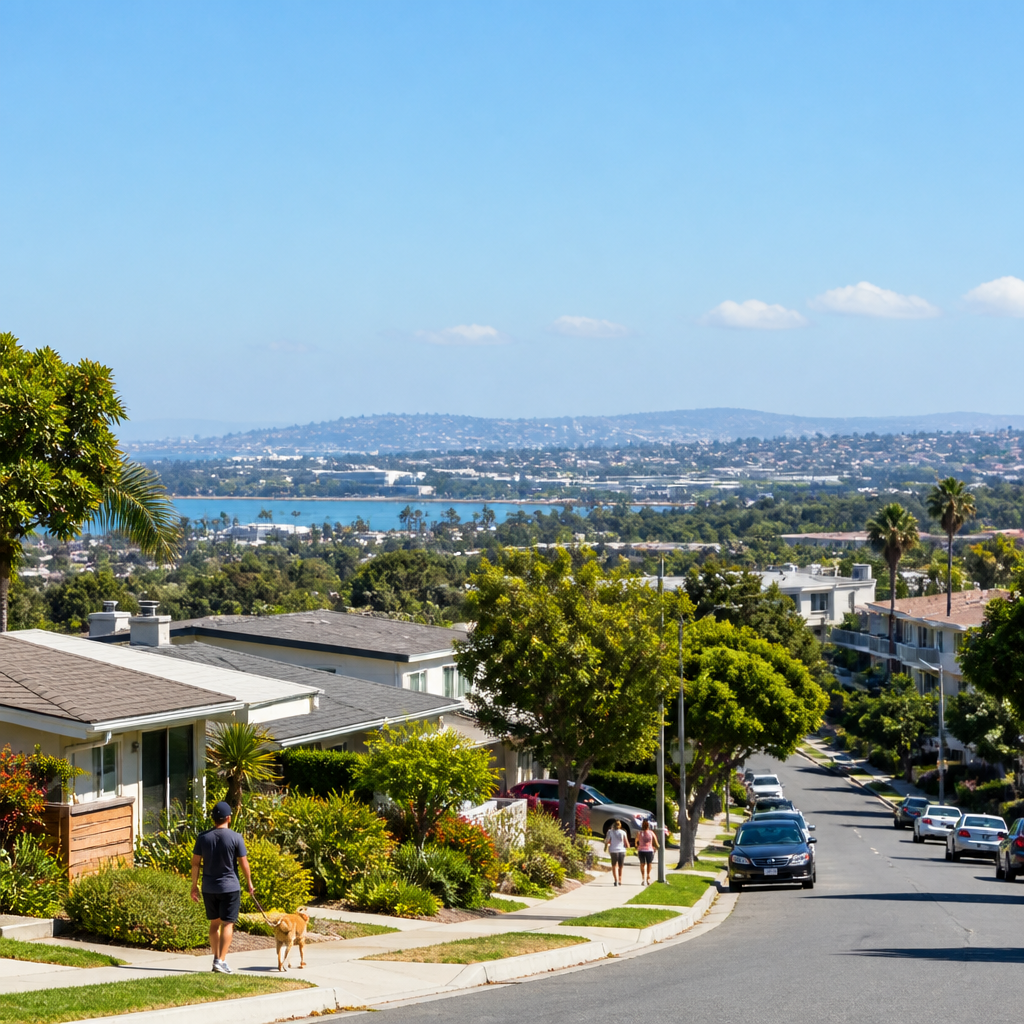
Top Tips for First-Time Home Buyers in Clairemont, San Diego
Top Tips for First-Time Home Buyers in Clairemont, San Diego Buying a home in Clairemont demands clear financial planning before any offer is written. Entry-level homes in this central San Diego neighborhood often trade between $800,000 and $950,000, based on recent sales tracked by Redfin through m
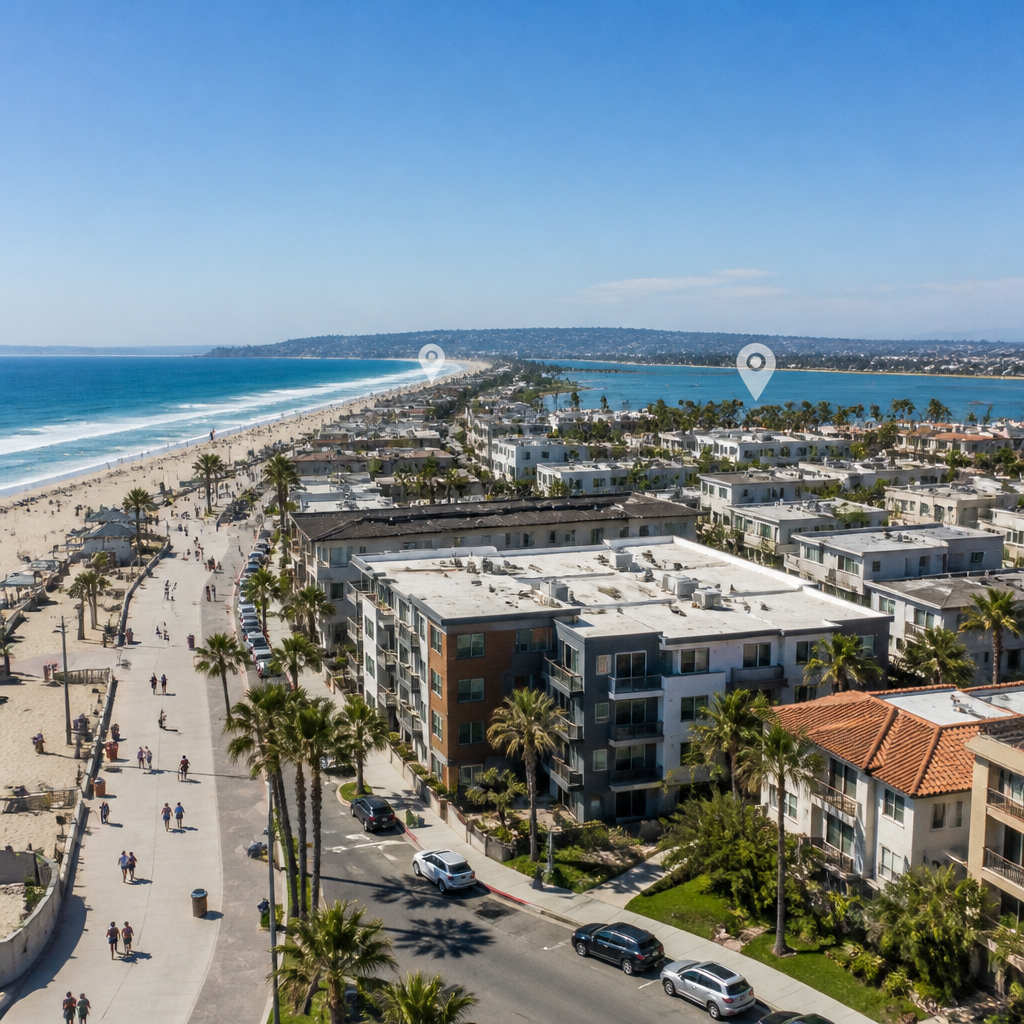
Your Ultimate Guide to Rentals in Pacific Beach, San Diego
Your Ultimate Guide to Rentals in Pacific Beach, San Diego Rentals in Pacific Beach attract residents seeking a coastal lifestyle, strong amenities, and quick access to Mission Bay and downtown San Diego. According to Zillow, the neighborhood typically lists between 150 and 250 rental units at any g